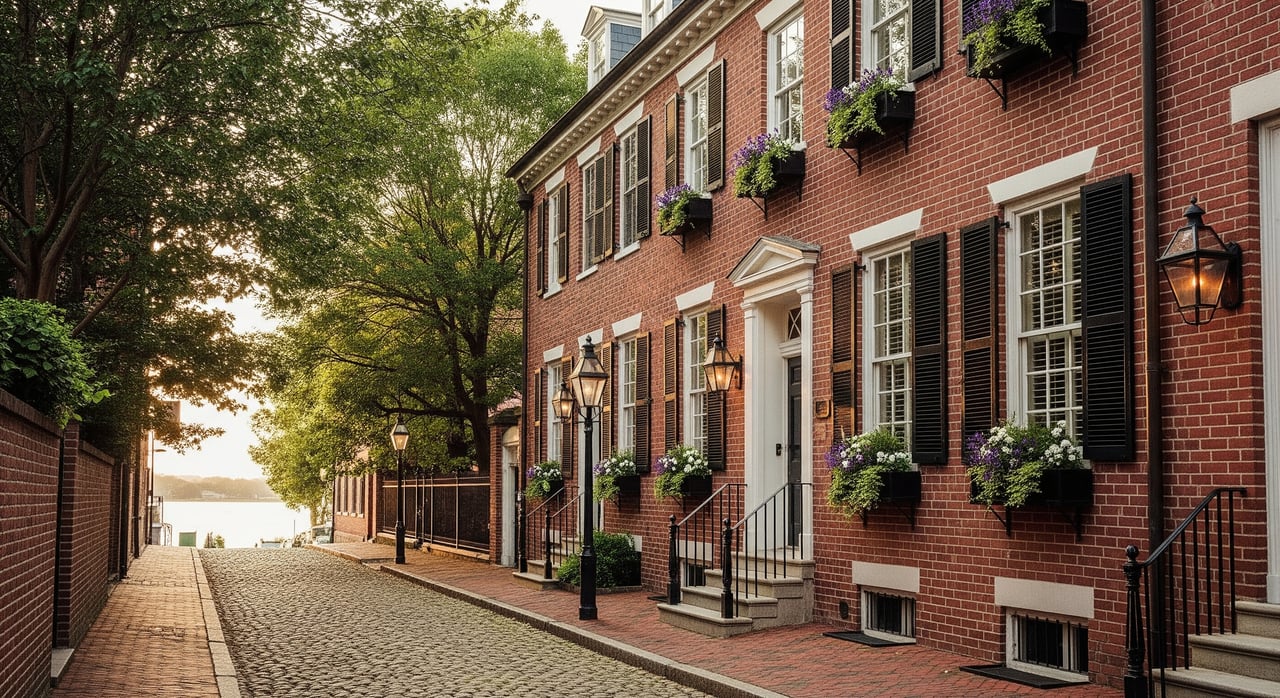
You want a home that fits your routine, not the other way around. In Northern Virginia, each suburb has its own rhythm, from Old Town Alexandria’s brick sidewalks and waterfront sunrises to Tysons’ sleek towers and quick access to work and shopping. If you’re weighing where to live, it helps to picture your day from coffee to commute to weekend plans. In this guide, you’ll see how daily life feels in the area’s most popular suburbs, plus what to expect for commutes, parks, dining, and housing. Let’s dive in.
How Northern Virginia lives day to day
Northern Virginia supports many ways to get around. You can ride Metrorail, take Virginia Railway Express, hop a county bus, drive, or bike along regional trails. WMATA’s system connects Arlington, Alexandria, Tysons, Reston, and more, while VRE runs weekday commuter rail into DC. Many people mix options and adjust based on traffic.
Commute times vary by neighborhood and time of day. Transit-rich suburbs often see 20 to 40 minute rides into downtown DC. Farther-out areas can see 40 to 75 minutes by car during peak hours. Trails like the Mount Vernon Trail and the W&OD make cycling to work or errands part of everyday life for many residents.
Weekdays are busy but manageable. You’ll find grocery stores, gyms, parks, and services close by in most suburbs. Weekends bring farmers markets, community events, and outdoor time along the Potomac, at Great Falls, or on neighborhood fields and playgrounds.
Old Town Alexandria: Walkable waterfront charm
If you picture strolling to dinner on cobblestones and catching sunset on the river, Old Town might be your spot. Daily life often starts around King Street’s cafes, with errands on foot and easy access to the waterfront trail. Festivals, art shows, and a lively farmers market keep the calendar full. For an overview of local events and the waterfront, browse Visit Alexandria’s guides.
You have several ways to commute. The Blue and Yellow Metro lines connect to DC and Reagan National Airport, and local DASH buses help with short trips around the city. See routes and schedules on the DASH system.
Housing includes historic rowhomes, loft-style condos in converted buildings, and mid-rise condos near King Street and the river. In adjacent neighborhoods like Del Ray and Parker-Gray, you’ll find additional single-family and townhouse options with a quieter feel.
Arlington’s Rosslyn–Ballston corridor: Transit-first convenience
Arlington’s core villages are built around Metro stops, so your week can be very walkable. Clarendon and Ballston have lively dining and fitness options, while nearby residential streets offer a calmer pace. You can commute by Metro from Rosslyn, Clarendon, Virginia Square, or Ballston, with frequent service toward DC and other job centers.
On a typical day, you can head from a condo or townhouse to the office without getting in a car, grab dinner with friends, and be home in minutes. Parks and community centers are easy to reach, and county services are well organized through the Arlington County site.
Housing ranges from high-rise condos near Metro to townhomes and single-family homes as you move away from the stations. Expect a modern, urban-suburban blend with strong transit access.
Tysons and McLean: Modern hub meets leafy residential
Tysons is a major employment and shopping center with growing mixed-use districts. The Silver Line serves multiple stations, which makes transit commuting practical. Daily life often includes short hops to work, shopping at the mall or neighborhood markets, and new public spaces and events.
Next door, McLean offers a lower-density residential feel with parks, boutique shopping, and access to Potomac River trails. Many residents drive for daily errands, while some commute toward DC or Tysons. Housing ranges from luxury single-family homes in McLean to condos and townhomes in Tysons and nearby neighborhoods.
Reston and Herndon: Trails, lakes, and town center living
Reston blends green space with urban convenience. You’ll find neighborhood pools, lakeside paths, and trail access, with shopping and dining at Reston Town Center. The Silver Line serves Reston and Herndon, so transit can be part of your weekday routine. Fairfax County’s Fairfax Connector provides local bus service that links neighborhoods with transit hubs and activity centers.
Day to day, plan for school drop-offs, trail walks, and quick drives to shops. Weekends often include farmers markets, festivals, and concerts. Housing spans condos near transit, townhouses close to parks, and single-family homes in established subdivisions.
Vienna, Oakton, and Fairfax City: Suburban rhythm and civic life
These suburbs offer a classic neighborhood pace with strong civic activity. Many errands are by car, though village centers and trails keep things close. Commuters often use I-66 or the Vienna/Fairfax–GMU Metro station, and schedules for schools and extracurriculars shape weekday routines.
You can explore public service and school information through Fairfax County and its public schools. For district resources and school boundary updates, check Fairfax County Public Schools. Housing includes a wide mix of single-family homes from different eras, plus townhouses and some condos.
Falls Church: Small-city feel near DC
Falls Church offers a village-like downtown with local dining, parks, and easy access to DC. Many residents take Metro or short drives into the city. Neighborhood life includes community events and a mix of older bungalows with newer townhouses and condos.
Daily errands are simple, with local shops and services close by. Evenings can be as low-key or lively as you like, and you can reach regional hubs quickly when needed.
Great Falls and exurban pockets: Space and nature
If you want more land and privacy, Great Falls and nearby exurban areas provide room to spread out. Your routine is car-first, with shopping and dining often in Tysons or McLean. Outdoor time is a highlight, with trails and river access nearby.
A favorite weekend destination is Great Falls Park, where you can hike, view the falls, and explore the Potomac Gorge. Housing typically features larger single-family homes on sizable lots.
Commutes and transit: What to expect
Getting to work can be straightforward if you match your commute to your neighborhood. Here are the main options:
- Metro: The Silver Line serves Tysons, Reston, and Herndon; the Blue and Yellow lines connect Alexandria and Reagan National Airport; the Orange, Silver, and Blue lines serve Arlington’s core hubs. Check routes and timing on WMATA.
- Commuter rail: VRE offers weekday service from suburban stations to DC.
- Local buses: DASH in Alexandria and the Fairfax Connector provide last-mile links to rail and activity centers.
- Driving: Major corridors include I-66, I-495, I-95, and I-395. Travel times vary with congestion, so many commuters adjust schedules or blend driving with rail.
- Biking and trails: The Mount Vernon Trail and W&OD Trail support both recreation and commuting.
In general, transit-accessible neighborhoods can shorten commutes. Farther-out suburbs can still work well if you have flexible hours or a hybrid schedule.
Housing snapshots and price patterns
Across Northern Virginia, you’ll find a wide range of housing types:
- Historic and walkable: Old Town Alexandria has rowhouses, small condo buildings, and loft conversions.
- Transit-oriented hubs: Arlington’s villages, Tysons, and Reston Town Center feature high- and mid-rise condos, apartments, and townhomes near stations.
- Suburban neighborhoods: Vienna, Fairfax, and Oakton offer many single-family options, plus townhouses and some condos.
- Larger-lot homes: Great Falls and parts of McLean have sizable single-family and custom properties.
Broadly, the region is higher cost than the national average. Walkable, transit-adjacent, and historic neighborhoods tend to command premiums, as do luxury homes with land or special features. For up-to-date median prices and inventory, review the latest Northern Virginia Association of Realtors (NVAR) market reports.
Everyday conveniences: Parks, healthcare, and errands
Parks and trails are woven into daily life. In addition to regional destinations like Great Falls and the Potomac waterfront, most suburbs have local playgrounds, fields, rec centers, and dog parks. Hospital and urgent care networks, including Inova facilities, are widespread across the region.
You can expect grocery stores, pharmacies, and services within a short drive in most areas. In walkable cores like Old Town, Arlington’s villages, and Reston Town Center, many errands can happen on foot.
Which suburb fits your lifestyle?
Use these quick profiles to narrow your search:
- You want walk-first living: Old Town Alexandria, Clarendon, Ballston, Rosslyn, and Reston Town Center stand out for daily convenience without a car.
- You prioritize transit to work: Arlington’s Rosslyn–Ballston corridor and Old Town offer strong Metro access; Tysons, Reston, and Herndon benefit from the Silver Line.
- You want a classic neighborhood feel: Vienna, Fairfax City, and Oakton offer established single-family communities and active civic life.
- You want space and privacy: Great Falls and parts of McLean provide larger lots and a quieter pace.
Plan your move with confidence
If schools are part of your decision, verify current attendance zones and calendars on official sites. Fairfax County families can start with FCPS, while Alexandria families can use the City of Alexandria website for city services and school links. For Arlington information, see the Arlington County site.
If you are considering a historic property, expect design review rules that may affect exterior changes. Check your city or county’s planning pages for permits and guidelines. For childcare, start early, since waitlists are common for popular programs.
When you’re ready to explore homes, a local team can help you compare commute options, neighborhood fit, and housing choices across multiple suburbs. If you want a calm, organized process with clear next steps and on-the-ground guidance, reach out to ONE Residential. We’ll tailor your search to your day-to-day life so your new home feels right from day one.
FAQs
What is daily life like in Old Town Alexandria?
- Old Town is a walkable, historic waterfront district where many errands happen on foot, with frequent community events and easy access to DASH buses and Metro.
How long do Arlington-to-DC commutes take by Metro?
- Many riders see 20 to 40 minutes from Rosslyn, Clarendon, Virginia Square, or Ballston, but always check real-time schedules on WMATA.
Is Reston walkable, or do you need a car?
- Reston Town Center and lake areas are walkable, while many neighborhoods are more car-friendly; the Silver Line and local buses support transit trips and last-mile connections.
Where can I verify school boundaries and calendars in Northern Virginia?
- Use official sites such as FCPS, the City of Alexandria, and the Arlington County site for the latest information.
What are popular outdoor spots near Great Falls and Alexandria?
- Great Falls Park is a top choice for hiking and river views; along the Potomac near Old Town, residents enjoy waterfront parks and the Mount Vernon Trail for biking and running.
What transit options serve Tysons, Reston, and Herndon?
- The Silver Line connects these hubs to the Metro system, with local service via the Fairfax Connector and regional rides on VRE from select stations.
How competitive is the housing market in Northern Virginia?
- It is generally higher cost than the national average, with premiums for transit-accessible and historic areas; see current stats in NVAR’s latest reports.