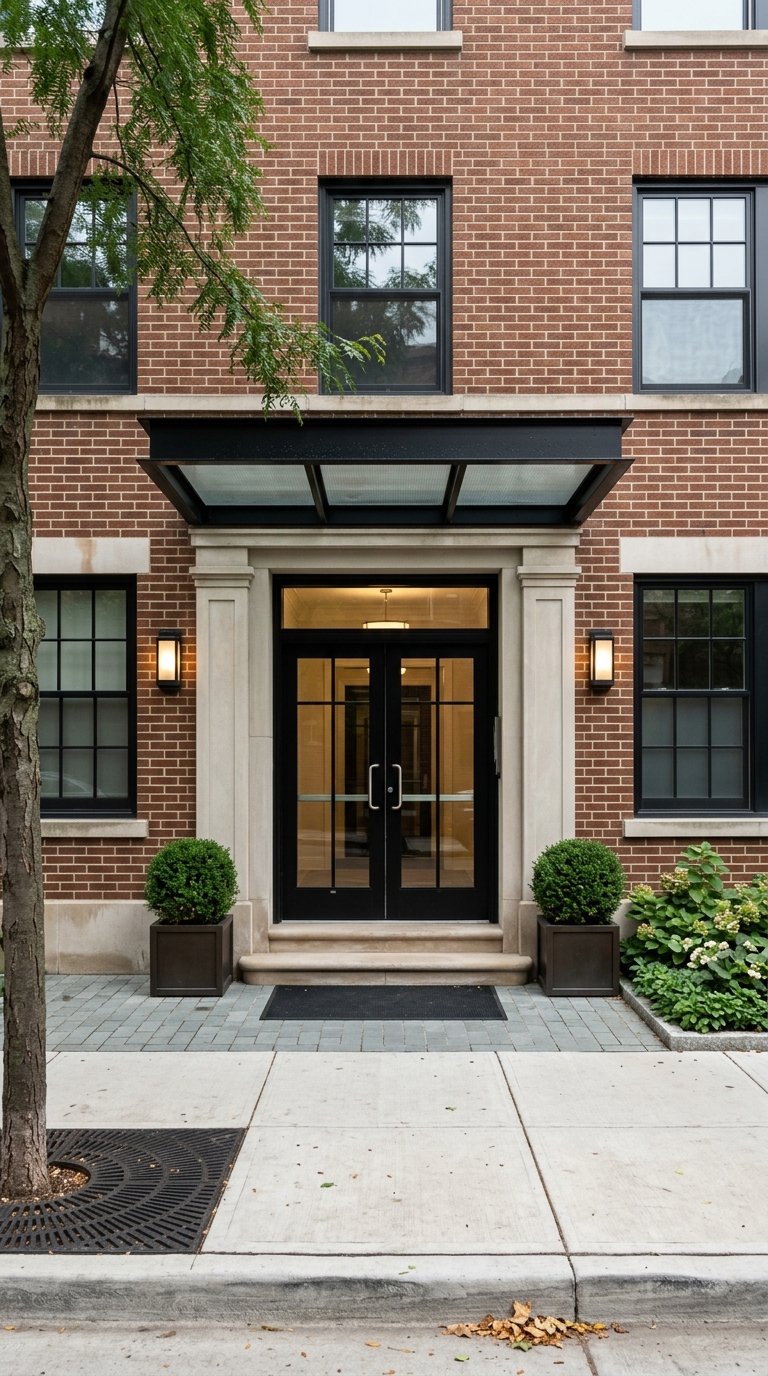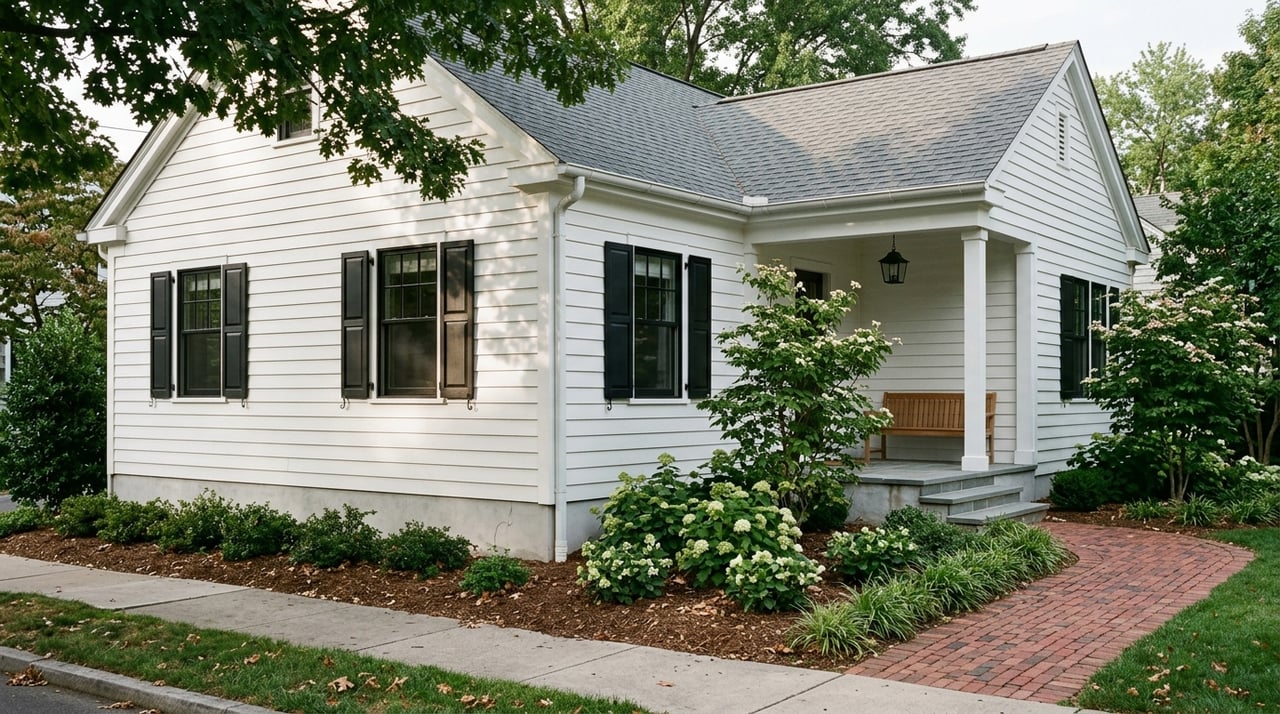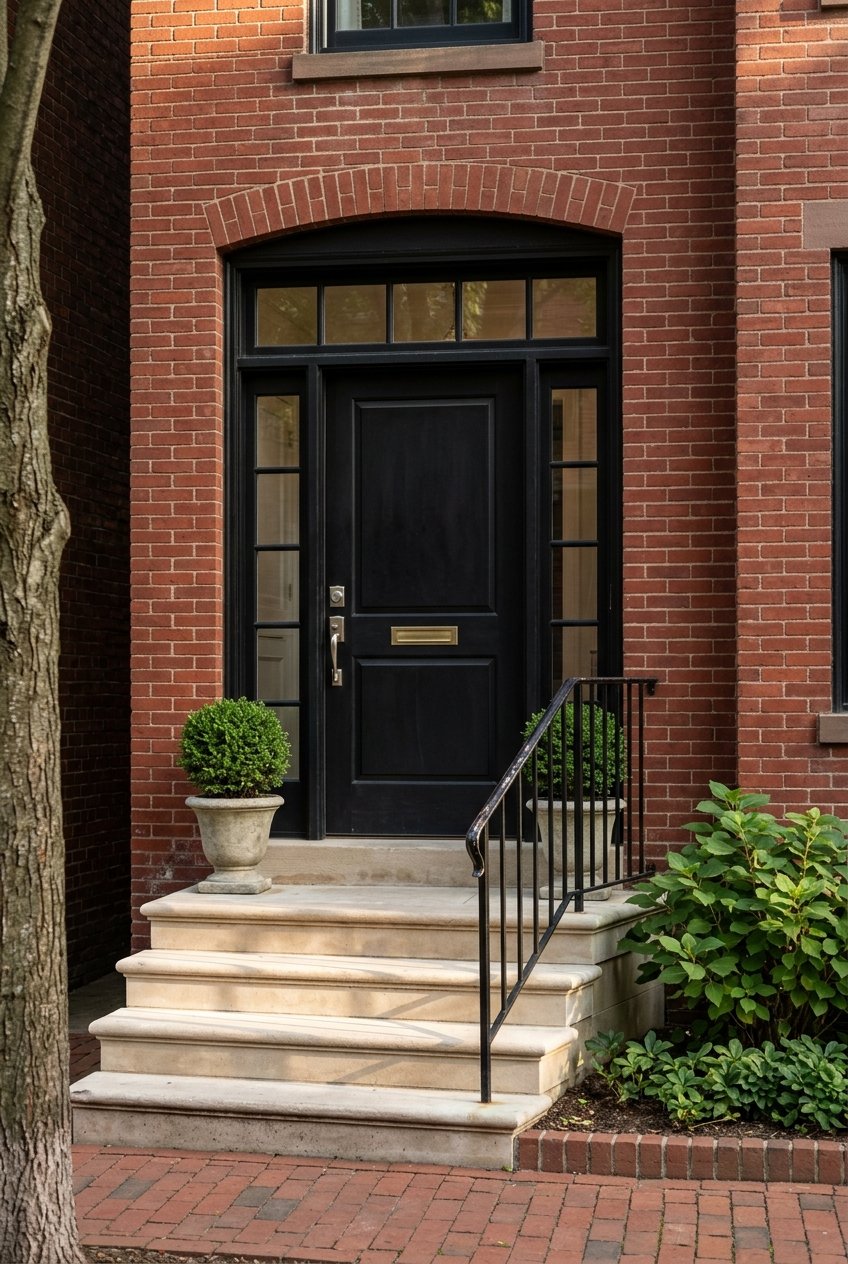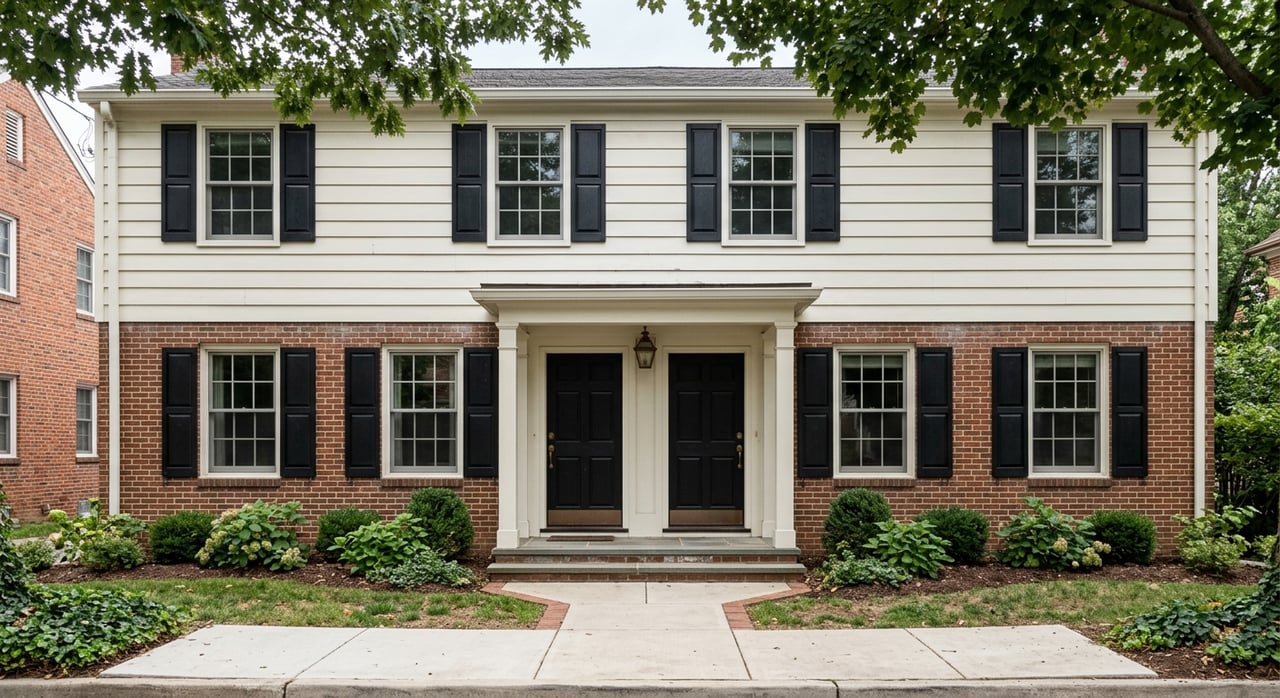
Wondering how much school districts really influence home values in Northern Virginia? If you are comparing the cobblestone charm of Old Town Alexandria with options in Arlington, Fairfax, or Loudoun, you are asking the right question. In this guide, you will learn how school ratings factor into prices, what changed with Virginia’s new accountability system, and how to shop smart if schools are a priority. Let’s dive in.
How schools shape home prices
School quality behaves like a neighborhood amenity that buyers value. Academic reviews find modest but measurable premiums for homes linked to higher-performing schools. A widely cited review summarizes typical effects in the low single digits per standard deviation of school performance, with larger premiums possible in tight micro-markets. You should view this as a consistent pattern rather than a hard-and-fast rule. See the research summary on school quality and pricing for context in the academic review by Nguyen-Hoang and Yinger.
Online access to school data also increased how visible differences are to buyers. Many families now factor in test results, graduation data, advanced coursework, and attendance trends alongside commute and budget. The National Association of Realtors reports that schools remain a meaningful consideration for many buyers.
- Evidence on capitalization: review of findings on school quality and home prices
- Buyer priorities: national survey context
Virginia’s new SPSF ratings
Virginia replaced its older accountability system with the School Performance and Support Framework in 2024–25. Schools now receive one of four labels: Distinguished, On Track, Off Track, or Needs Intensive Support. The SPSF looks at mastery, growth, readiness, and graduation, and the state published the first results in late 2025. When you compare schools, start with the state’s official profiles, then layer in program offerings and your family’s needs.
- Learn how the state rates schools and view profiles
- Local snapshots and summaries
District snapshots for NoVA buyers
Market snapshots referenced here are current as of January 2026. For regional medians and inventory context, see the latest report from the Northern Virginia Association of Realtors.
Old Town Alexandria
Old Town is a walkable, historic waterfront district with 18th-century architecture, brick sidewalks, and a lively arts and dining scene. It functions as a distinct micro-market within the City of Alexandria and typically commands a premium per square foot. Inventory often includes historic rowhomes, premium townhouses, and higher-end condos. Expect competition in move-in-ready homes near King Street and the waterfront.
City of Alexandria (ACPS)
Alexandria’s citywide median is lower than Old Town’s neighborhood-level median because the city includes many housing types and price points. ACPS participates in the SPSF and has schools with a range of outcomes. The division reported steady progress on key indicators in 2023–24. If you plan to live in Old Town, confirm the specific property’s attendance area and explore division programs that may fit your student’s interests.
Arlington County (APS)
Arlington is compact, transit-connected, and highly walkable in many neighborhoods. Buyers often pay a premium for proximity to Metro and urban amenities. APS is generally well regarded and a significant share of Arlington schools were in higher SPSF categories in recent reporting. APS also runs option programs and manages capacity through boundary and transfer processes, which can shape seat availability by school.
Fairfax County (FCPS)
Fairfax is the region’s largest school system and real estate market, with broad inventory that ranges from close-in neighborhoods near Falls Church and McLean to more suburban communities further out. FCPS includes schools with strong outcomes and a variety of specialized academies. Boundary reviews occur periodically, which can adjust assignments in limited areas. If a specific feeder pattern matters to you, verify it early and monitor division updates.
Loudoun County
Loudoun offers newer housing, larger lots in many areas, and a range of suburban and semi-rural options. Commutes are often longer than in Arlington or Alexandria, which many buyers weigh against space and price. Local reporting noted a high percentage of schools in top SPSF categories in some Loudoun communities. If you want more square footage and newer construction, Loudoun can be a strong fit if the commute works for your routine.
Budget and search strategy
Start with a firm maximum purchase price and compare neighborhoods side by side. Northern Virginia medians vary by locality and even more by neighborhood. Close-in, walkable cores like Old Town often carry a higher price point than surrounding areas. Use current regional context while relying on neighborhood-level comparable sales for precision.
If schools are a top priority, expect a price premium that is modest on average yet sometimes larger in small, high-demand zones. The size of the premium depends on the school’s measured outcomes, program access, inventory mix, and overall market tightness. Your agent should help you weigh tradeoffs across location, commute, and home type.
Due diligence checklist
Use this quick checklist to verify details before you write an offer.
- Verify attendance boundaries. Look up the exact property to confirm its assigned elementary, middle, and high schools. Boundary processes can shift assignments in limited areas. See recent coverage of Fairfax boundary changes for context.
- Confirm program type. Ask whether your desired program is attendance-based or admission/lottery-based. For selective regional programs, admission is not guaranteed by address. Review Fairfax guidance for Thomas Jefferson High School for Science and Technology as a model of a selective process.
- Check official school profiles. Review SPSF labels and the underlying measures. Look at mastery, growth, readiness, graduation, and access to advanced coursework.
- Measure commute and lifestyle fit. Compare typical travel times and transit access across target areas. Census QuickFacts can provide average commute data that you can use as a baseline.
- Factor in taxes and recurring costs. Property tax rates vary by jurisdiction and are adopted annually. Confirm the current year’s rate and apply it to your target price band.
- Match home type to budget. In close-in areas, entry-level options often include condos and smaller townhomes. In outer suburbs, single-family homes with more space may fit the same budget. Pair this with school fit to find the best value for your needs.
Old Town tradeoffs for families
Old Town offers daily walkability to parks, waterfront paths, galleries, and dining. Many homes are historic, which adds character but may limit yard size and parking compared with suburban options. If you want a townhome or a renovated rowhome close to King Street and Metro, expect competition and plan accordingly. If a larger yard or newer construction is your priority, compare Old Town with nearby areas in Alexandria or Fairfax that offer more space per dollar.
For schools, start with the VDOE School Quality Profiles, then confirm your address-based assignments with the division. If you are also considering magnet or option programs, note that admission is not guaranteed by where you live. We recommend planning a shortlist of attendance-based schools that meet your needs, then exploring program options as a bonus.
Negotiation and resale tips
- Make your priorities clear in the offer. If a specific attendance zone matters to you, your agent can signal that in the offer package and timeline.
- Consider trajectory and capacity. Review recent SPSF labels and trend data, and ask about any planned capacity changes that could affect feeders.
- Plan for resale. Homes aligned with consistently strong school indicators often see steadier demand. Combine school data with local comps to support pricing decisions at resale.
What this means for you
Higher-rated schools often align with higher home prices in Northern Virginia, but the premium varies by neighborhood, home type, and program access. Old Town Alexandria stands out for walkability, history, and a strong neighborhood premium, while nearby areas can offer more space for the same budget. Use state-issued SPSF profiles, confirm program rules, and factor taxes and commute time into your affordability plan.
If you want a calm, organized search with local expertise on schools and neighborhoods, let’s talk. Schedule a Consultation with ONE Residential to map your options, compare neighborhood comps, and move forward with confidence.
FAQs
How do school ratings affect Northern Virginia prices?
- Research reviews find modest but measurable premiums for higher-performing schools on average, with larger effects possible in small, high-demand neighborhoods. See the academic overview for context: school-quality and pricing review.
What do Virginia’s SPSF school labels mean?
- The SPSF assigns one of four labels: Distinguished, On Track, Off Track, or Needs Intensive Support, based on mastery, growth, readiness, and graduation measures. Start with the VDOE School Quality Profiles.
Does buying in a boundary guarantee enrollment?
- For neighborhood attendance schools, yes. For selective or lottery-based programs, admission is not guaranteed by address. For example, Thomas Jefferson High School for Science and Technology uses a selective process: FCPS overview.
Can boundary changes affect resale value?
- In a small share of cases, yes. Boundary or capacity changes can shift feeder patterns, which may influence buyer demand. Monitor division updates and local reporting, such as recent Fairfax boundary coverage.
How should I compare Old Town to nearby areas?
- Start with a firm budget, then weigh walkability and historic character against space, parking, and commute. Use regional context from NVAR market statistics and pair it with neighborhood-level comps and the VDOE profiles for schools.