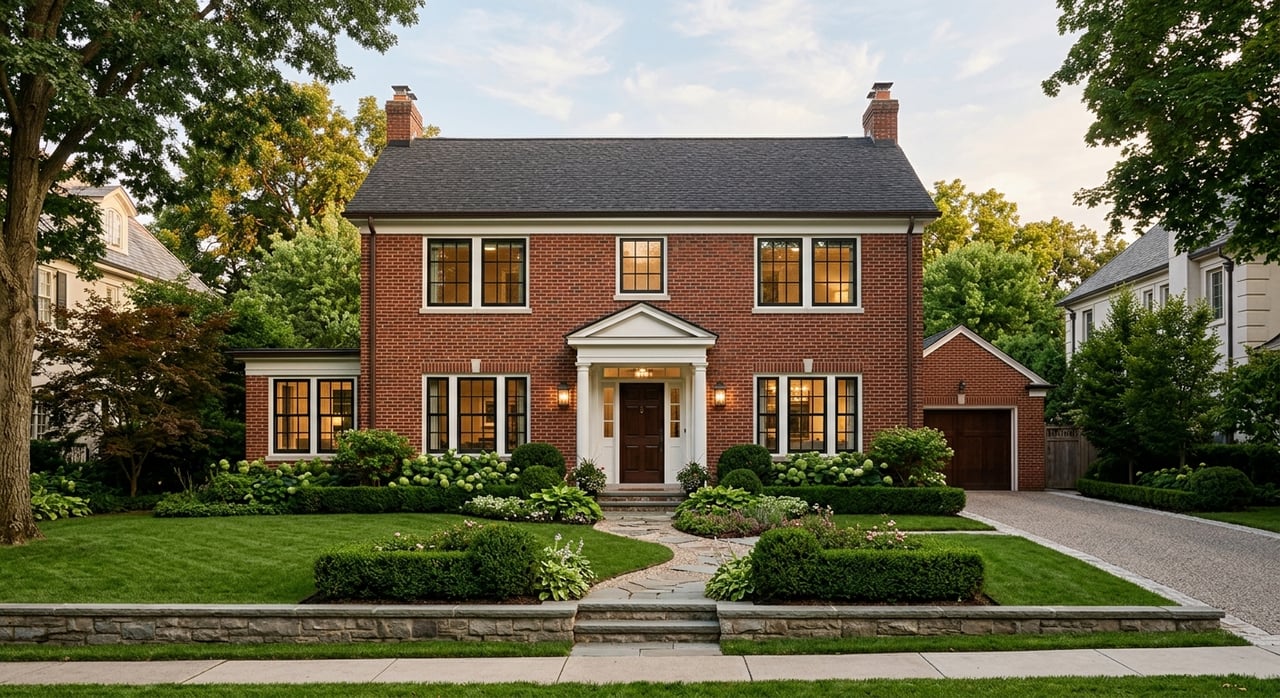
If you are deciding between a brand-new home and an older one in Northern Virginia, you are not alone. In this market, the choice is rarely just about finishes or floor plans. It is also about location, timing, commute, maintenance, and what kind of daily life fits you best. This guide will help you compare new construction and resale homes in Northern Virginia so you can make a more confident decision. Let’s dive in.
Why This Choice Feels Different in Northern Virginia
Northern Virginia is still a tight housing market. According to the Northern Virginia Association of Realtors May 2026 report, the region had a median sold price of $812,012, 2,733 active listings, and just 1.93 months of supply, with homes averaging 15 days on market.
For you, that means both new construction and resale homes can move quickly. It also means the “better” choice is often the home that gives you the best mix of location, condition, and long-term fit, not simply the one that is newest.
In many parts of Northern Virginia, land is limited and redevelopment shapes what gets built. Local planning in Arlington, Alexandria, and Tysons points to transit-oriented growth, mixed-use redevelopment, and denser housing patterns near major corridors and stations.
That helps explain a local reality many buyers notice right away. New homes here are often tied to infill lots, redevelopment areas, and more urban settings rather than large suburban communities with endless new inventory.
New Construction Benefits
New construction can be appealing if you want a home with modern systems, current building standards, and less immediate maintenance. You may also have the chance to choose certain finishes or upgrades, depending on the builder and the stage of construction.
For many buyers, the biggest draw is peace of mind. A newer roof, HVAC system, appliances, and materials can reduce the chance of surprise repairs right after move-in.
Virginia law also gives buyers of many newly built homes an implied warranty covering structural defects, workmanlike construction, and habitability. In general, that warranty period is one year, while the foundation warranty extends to five years.
That said, the law also states that a new dwelling does not include a condominium or condominium units. If you are buying new construction that is a condo, you should review the warranty language carefully instead of assuming the same protections apply.
New Construction in Local Context
In Northern Virginia, many visible new-home opportunities are in redevelopment areas. Alexandria’s West End redevelopment includes the former Landmark Mall site, a new transit center, mixed-use construction, and bus rapid transit planning.
Tysons continues to evolve around the Silver Line, along with roadway, pedestrian, and transit improvements. Arlington’s planning model also emphasizes transit-accessible urban villages.
For you, that often means a new home may come with a more urban feel, closer access to transit, and ongoing nearby construction activity. If you want a quieter, more settled street right away, that trade-off is worth thinking through.
New Construction Cautions
A new home can still come with risk, and it is important not to confuse “new” with “problem-free.” The Virginia Uniform Statewide Building Code applies to new buildings, and local inspection departments enforce it, but that permit and inspection trail is not a substitute for your own due diligence.
You should still ask detailed questions about what is included in the base price, which features count as upgrades, and how any builder deposit works. If a deposit is required, make sure you understand when it is refundable.
You should also ask whether the builder will allow an independent home inspection and whether the contract can be contingent on a satisfactory inspection when possible. That step can give you more clarity before closing and more time to address issues if they come up.
Another key point is financing. If a builder suggests an affiliated lender, you are not required to use that lender. You can compare options and choose what works best for your situation.
Resale Home Benefits
Resale homes often appeal to buyers who care most about established surroundings, faster move-in timing, and seeing a property with a visible maintenance history. In Northern Virginia, that can matter a lot, especially in close-in areas where mature streetscapes and limited land shape the housing stock.
With a resale home, you can usually evaluate more of the neighborhood context right away. You may be able to see how the block feels on a weekday, how the home sits on the lot, and how nearby redevelopment or traffic patterns affect the area.
Resale can also be a strong fit if you want to move sooner. New construction timelines can shift, while an existing home may offer a more predictable path to occupancy.
For some buyers, resale also opens the door to locations where new inventory is limited. In inner Northern Virginia, that can mean access to areas closer to established job centers and transit networks.
Resale Home Cautions
Resale homes come with their own due diligence needs. In Virginia, the Residential Property Disclosure Statement makes clear that the owner makes no representations or warranties about the condition of the property or improvements and advises buyers to conduct whatever due diligence they find necessary, including a home inspection.
That makes inspections especially important. You may be evaluating an older roof, aging systems, drainage, windows, or past repairs, so your review process matters.
If the home is part of a condo or homeowners association, the paperwork matters just as much as the property itself. Virginia uses a standardized resale certificate under the Virginia Resale Disclosure Act for condominium, property owners’ association, and cooperative resales.
You should review those documents for fees, maintenance responsibility, and use restrictions before making a final decision. For condominium resales, Virginia law assigns maintenance and repair responsibilities for common elements to the unit owners’ association, which can affect what you are responsible for personally.
Location and Commute Matter
In Northern Virginia, location often carries as much weight as the age of the home. Average commute times vary across the region, with Arlington at 26.2 minutes, Alexandria at 28.4, Fairfax County at 28.9, Loudoun County at 30.1, and Prince William County at 36.4.
That does not tell you what your commute will be, but it does highlight a common trade-off. Many buyers accept a longer drive for a newer home, more space, or a different setting farther from inner-core job centers.
If your schedule is flexible, that trade may feel worth it. If convenience and shorter travel time matter more, a resale home in a closer-in area may be the stronger fit.
How to Compare New vs Resale
When you are choosing between new construction and resale, it helps to compare the same factors side by side. Start with your daily life, then move into the legal and financial details.
| Factor | New Construction | Resale Home |
|---|---|---|
| Condition | New systems and materials | Varies by age and upkeep |
| Warranty | Many newly built homes have implied warranty protections under Virginia law | No seller warranty is implied through the standard Virginia disclosure framework |
| Location pattern | Often in redevelopment or transit-oriented areas | Often in more established settings |
| Timeline | May depend on build stage and construction schedule | Often faster occupancy |
| Customization | May allow finish or upgrade choices | Usually limited to post-closing changes |
| Due diligence | Review contract terms, inspections, deposit rules, and warranty details | Review inspections, maintenance history, and association documents |
Questions to Ask Before You Decide
A strong decision usually comes down to asking the right questions early. These can help you compare options more clearly:
- Is this property a true new dwelling under Virginia law, or is it a condo with different warranty treatment?
- What is included in the price, and what will cost extra?
- If there is a builder deposit, when is it refundable?
- Can you schedule an independent inspection, and can the contract reflect that when possible?
- If the home is in a condo or HOA, what do the resale or association documents say about fees, maintenance, and restrictions?
- How does the location line up with your commute, transit needs, and day-to-day routine?
- Are you prioritizing lower near-term maintenance, or are you comfortable taking on updates in exchange for location or faster move-in?
Which Option Is Right for You?
If you want modern systems, potential customization, and the benefit of warranty protections that may apply to many newly built homes, new construction may be the right path. It can be especially appealing if you are comfortable with redevelopment areas, denser settings, or a longer timeline.
If you want an established setting, a quicker move, and the ability to evaluate the full neighborhood context now, a resale home may be the better fit. That can be especially true in Alexandria, Arlington, and parts of Fairfax County where location and access often drive the decision.
In this region, the best answer is rarely universal. It depends on your timeline, your tolerance for maintenance, your commute priorities, and the type of home experience you want every day.
Working with a local team can make those trade-offs easier to sort through. If you are weighing new construction against resale in Northern Virginia, ONE Residential can help you compare neighborhoods, evaluate listings, and move forward with a clear plan.
FAQs
What is the main difference between new construction and resale homes in Northern Virginia?
- New construction often offers newer systems, possible warranty protections, and modern finishes, while resale homes often offer established surroundings, visible maintenance history, and faster occupancy.
Do new construction homes in Virginia come with a warranty?
- Many newly built homes in Virginia have an implied warranty covering structural defects, workmanlike construction, and habitability, generally for one year, with foundation coverage extending to five years. Condominium units are treated differently under the statute, so you should review warranty language carefully.
Should you get an inspection on a new construction home in Northern Virginia?
- Yes. Even with code enforcement and local inspections, an independent home inspection is still an important part of your due diligence.
What should you review when buying a resale home in Virginia?
- You should review the property condition through inspections and, if the home is in a condo or HOA, examine the resale certificate and association documents for fees, maintenance responsibility, and restrictions.
Are resale homes better for shorter commutes in Northern Virginia?
- Not always, but resale homes are often available in closer-in areas where land is limited and redevelopment is incremental, which can align with shorter average commute patterns in places like Arlington and Alexandria.
Is new construction or resale better for Northern Virginia buyers in 2026?
- The better choice depends on your goals. In a low-inventory market with 1.93 months of supply and fast-moving listings, the right home is usually the one that best matches your location needs, timeline, and comfort with maintenance and trade-offs.