Are you dreaming about more than just square footage when you search Northern Virginia real estate listings? For many buyers, the real question is how a home will live day to day, especially once you step outside. If you want a patio for quiet mornings, a deck for gatherings, or simply a yard that feels usable, this guide will help you understand what backyard potential really looks like across Northern Virginia. Let’s dive in.
What Outdoor Living Means in Northern Virginia
Outdoor living in Northern Virginia is shaped by both climate and housing style. Regional weather patterns support spring and fall as especially comfortable seasons for patios, decks, and backyard entertaining, while summer tends to make shade, airflow, and covered areas more important.
Rain also matters more than many buyers expect. Precipitation shows up throughout the year, with January around 2.86 inches and July around 4.33 inches, while May and September are both near 4 inches. That means a great outdoor space is not only about size, but also about drainage, grading, and how well the space holds up after wet weather.
Why Usable Space Matters More Than Lot Size
A larger lot does not always translate to better outdoor living. In many Northern Virginia neighborhoods, the most valuable backyard features are the ones you can enjoy regularly, like a level lawn, a private patio, a shaded deck, or a layout that connects well to the kitchen or living area.
That is especially true in a region where home styles and lot patterns vary widely from one jurisdiction to the next. When you look at Northern Virginia real estate listings, it helps to think beyond raw acreage and ask how the outdoor area actually functions.
Arlington Outdoor Space Expectations
Arlington often offers a more compact, urban feel, especially around Metro station areas. The county’s land use and zoning framework encourages a variety of housing types while regulating lot size, coverage, height, parking, and density.
For you as a buyer, that often means outdoor living in Arlington may show up as smaller private yards, efficient patios, rooftop or deck-style entertaining areas, and stronger reliance on shared green infrastructure. If you love being outside, Arlington can still work beautifully, but the lifestyle may center more on smart design than on expansive lawn space.
What to Look for in Arlington Listings
When reviewing homes in Arlington, focus on features that make a smaller outdoor footprint feel more livable:
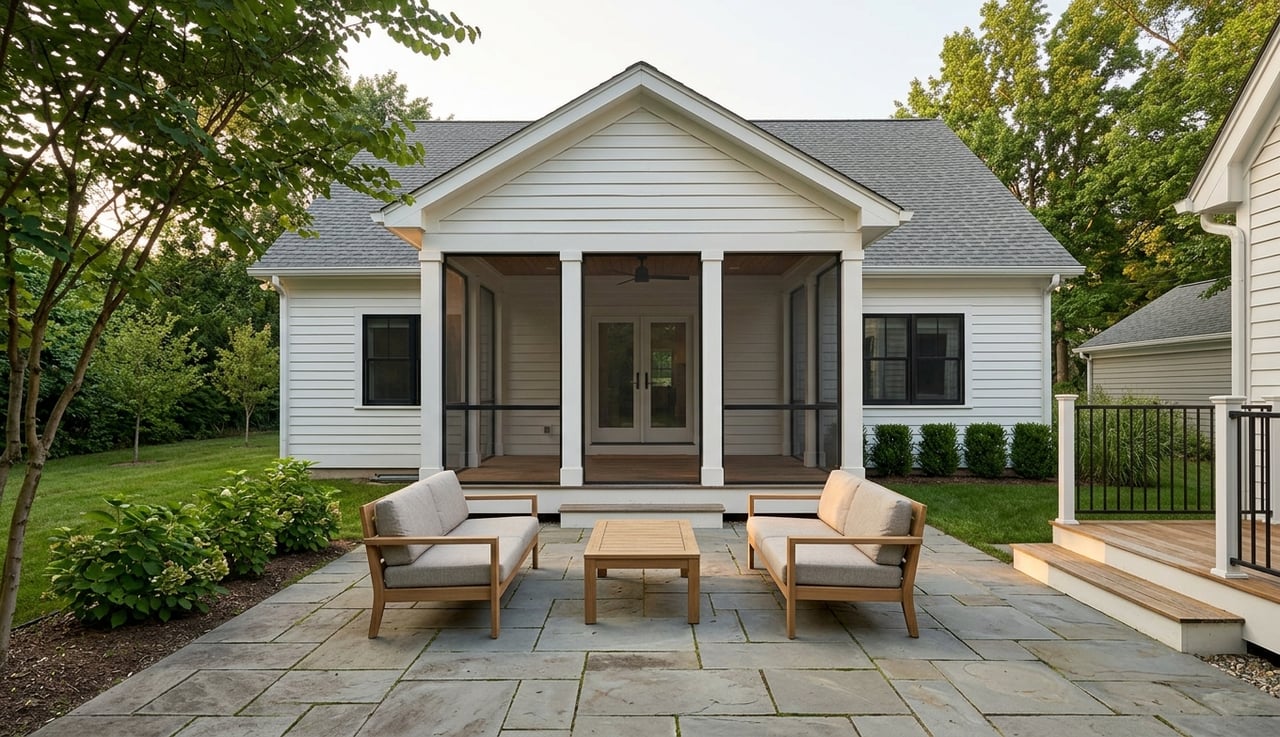
- Decks or patios with room for seating and dining
- Existing shade from trees, pergolas, or covered structures
- Good flow between indoor and outdoor spaces
- Evidence of thoughtful grading and drainage
- Access to nearby trails and public open space
Arlington’s trail network is a major lifestyle benefit. The county says it has nearly 49 miles of paved multi-use trails, and that network is also supported by National Park Service and NOVA Parks facilities.
Alexandria Backyard Potential by Block
Alexandria can vary sharply from one block to the next. City zoning work shows that single-family zones make up 34% of total land area, and recent requests for housing changes have often involved relief from lot, bulk, open-space, and parking requirements.
That matters because two homes with similar square footage may offer very different outdoor experiences. One property may have a practical backyard with room for dining and play, while another may have a narrower or more constrained outdoor setup.
How Alexandria Buyers Can Evaluate Outdoor Space
If you are touring homes in Alexandria, pay attention to how the yard is arranged rather than assuming every detached home comes with the same flexibility. Look at privacy, sun exposure, access from the house, and whether the lot shape supports the way you want to use the space.
Alexandria also offers more than 900 acres of parks and public spaces, along with dog exercise areas, fenced dog parks, and a city trail network for walking, running, biking, and multi-use recreation. In some neighborhoods, that public access meaningfully expands your outdoor options even if your private yard is modest.
Fairfax County and Traditional Yards
If your wish list includes a more classic suburban yard, Fairfax County is often where that search becomes easier. According to the county’s consolidated-plan data, 46% of the housing stock is single-family detached and 23% is single-family attached, with single-family homes overall making up about 69% of all units.
That housing mix helps explain why Fairfax County is often a strong fit for move-up buyers who want more traditional outdoor space. You are more likely to find detached homes with private lawns, room for entertaining, and a backyard layout that feels familiar and flexible.
Features That Add Value in Fairfax County
In Fairfax County, backyard potential often comes down to practical improvements and long-term usability. Buyers tend to notice features like:
- A level or gently sloped yard
- Established trees that provide shade
- Existing decks or patios
- Space for outdoor dining or lounging
- Clear separation between utility areas and entertaining areas
Decks are especially common here. Fairfax County says it issues more than 2,000 residential deck permits on average each year, which shows how often owners invest in outdoor living rather than treating the yard as unused space.
Loudoun County and Lower-Density Patterns
Farther out, Loudoun County planning definitions continue to distinguish between suburban single-family detached, single-family attached, and multifamily housing types. That reinforces the county’s reputation for lower-density neighborhood patterns where detached-home living remains an explicit part of the planning framework.
For buyers, that can mean more opportunities to find homes where the outdoor area feels like a central feature of the property. If you are prioritizing lawn space, privacy, or room for a more traditional backyard setup, Loudoun may deserve a closer look.
Permits and Rules You Should Check
Outdoor features can add a lot to your lifestyle, but they also come with important review steps. In Alexandria, permit requirements can apply to decks, porches, stoops, fences taller than 6 feet, private pools, and accessory structures such as sheds, garages, and playhouses over 200 square feet.
Fairfax County also regulates detached structures through residential building permit processes, including pool or bath houses, detached garages and carports, gazebos, and sheds over 256 square feet. In Arlington, deck work may require attention to floodplain and Resource Protection Area review, along with plans that show decks, patios, landscaping, and land disturbance.
A Simple Backyard Due Diligence Checklist
Before you fall in love with a home’s outdoor setup, it is smart to confirm a few basics:
- Whether existing improvements appear consistent with local permit requirements
- Whether future plans like a fence, shed, or pool may require approval
- Whether drainage or grading issues are visible after rain
- Whether tree cover helps or limits your intended use
- Whether any association rules affect exterior changes
Virginia’s Property Owners’ Association Act allows boards to adopt and enforce rules and regulations for areas under the association’s responsibility. So even if a yard looks large on paper, you should still check whether community rules affect planned exterior updates.
Trails and Parks as an Extension of Home
In denser parts of Northern Virginia, outdoor living is not limited to your lot lines. Access to trails, parks, and public open space can function like an extension of your home, especially if your private outdoor area is compact.
That is easy to see across the region. Arlington has nearly 49 miles of paved multi-use trails, Fairfax County Park Authority says the county park system alone has over 334 miles of trails, and NOVA Parks has preserved more than 12,500 acres across six jurisdictions.
Trail use also shows how central these amenities are to daily life. The Mount Vernon Trail hosts over one million pedestrians and bicyclists each year, and the W&OD Trail serves more than two million users annually.
Why Shared Outdoor Access Matters
If you are choosing between two homes with similar interiors, nearby outdoor amenities can tip the balance. Easy access to trails, parks, and public green space may support walking, biking, exercise, and time outside without requiring a large private yard.
That can be especially valuable in Alexandria and Arlington, where well-located homes may pair smaller private outdoor spaces with strong public outdoor infrastructure. In practical terms, your lifestyle may feel bigger than your backyard.
How to Read Northern Virginia Listings Differently
When you browse Northern Virginia real estate listings, outdoor potential deserves the same attention as kitchens, baths, and square footage. The best properties for outdoor living are not always the ones with the biggest yards. They are the ones where the space is usable, comfortable, and aligned with how you want to live.
As you compare listings from Alexandria to Arlington, Fairfax County, and beyond, ask better questions. Is the yard functional in multiple seasons? Is there shade for summer? Does drainage look manageable? Do public trails and parks add value if the lot is smaller?
Those details can help you choose a home that supports your routine now and adapts well over time. If you want expert guidance on finding a Northern Virginia home with the right indoor-outdoor balance, the team at ONE Residential is here to help you schedule tours and evaluate the details that matter most.
FAQs
What should you look for in a Northern Virginia backyard?
- Focus on usable space, drainage, shade, privacy, access from the home, and whether decks or patios support how you want to spend time outside.
How does Arlington outdoor living differ from Fairfax County?
- Arlington often features smaller private outdoor spaces shaped by more compact development patterns, while Fairfax County more often offers detached homes with traditional private yards.
Why do permits matter for outdoor features in Northern Virginia?
- Decks, fences, pools, sheds, and other structures may be subject to local permit requirements, and checking that early can help you avoid surprises.
Can a smaller yard still work well for outdoor living in Alexandria or Arlington?
- Yes. A compact outdoor area can still feel highly functional when it has a good layout, useful hardscaping, shade, and strong access to nearby parks or trails.
Do HOA or association rules affect backyard changes in Virginia?
- They can. Community associations may have approval processes or rules for exterior changes, so it is important to review both local requirements and association guidelines.
Why are trails and parks important when reviewing Northern Virginia real estate listings?
- In many neighborhoods, nearby trails and parks expand your everyday access to outdoor space and can make a home with a smaller private yard feel more livable.