If you have ever walked a few blocks in Washington, DC and felt like the housing changed completely from one street to the next, you are not imagining it. The city’s homes were built in layers over time, and that mix is a big part of what makes DC real estate so distinctive. When you understand the city’s signature home styles, you can read listings more quickly, spot what may matter for upkeep, and make more confident decisions as you search. Let’s dive in.
Why DC Home Styles Feel So Distinct
Washington, DC is not defined by one single housing type. According to DC planning resources, the city has 70 historic districts, and the DC Inventory of Historic Sites includes about 23,600 buildings. That means a large share of the homes and buildings you see are part of a preservation framework that still shapes how many blocks look today.
That history matters because DC developed in stages. In places like Capitol Hill, major 19th-century growth created long, cohesive rows of houses, and later apartment buildings were designed to fit into that streetscape. In neighborhoods like Washington Heights, rowhouses came first in the 1890s, followed by apartment development in the early 20th century.
The Three Home Styles You’ll Notice Most
For most buyers, DC’s housing stock falls into three broad visual categories. You will usually notice rowhouses and townhouses first, then pre-war apartment buildings, and finally newer infill or major additions that fit into older blocks.
Each style tells you something different about layout, maintenance, and how the property functions day to day. That is especially helpful in DC, where a building’s context can be just as important as the building itself.
Rowhouses and Townhouses in DC
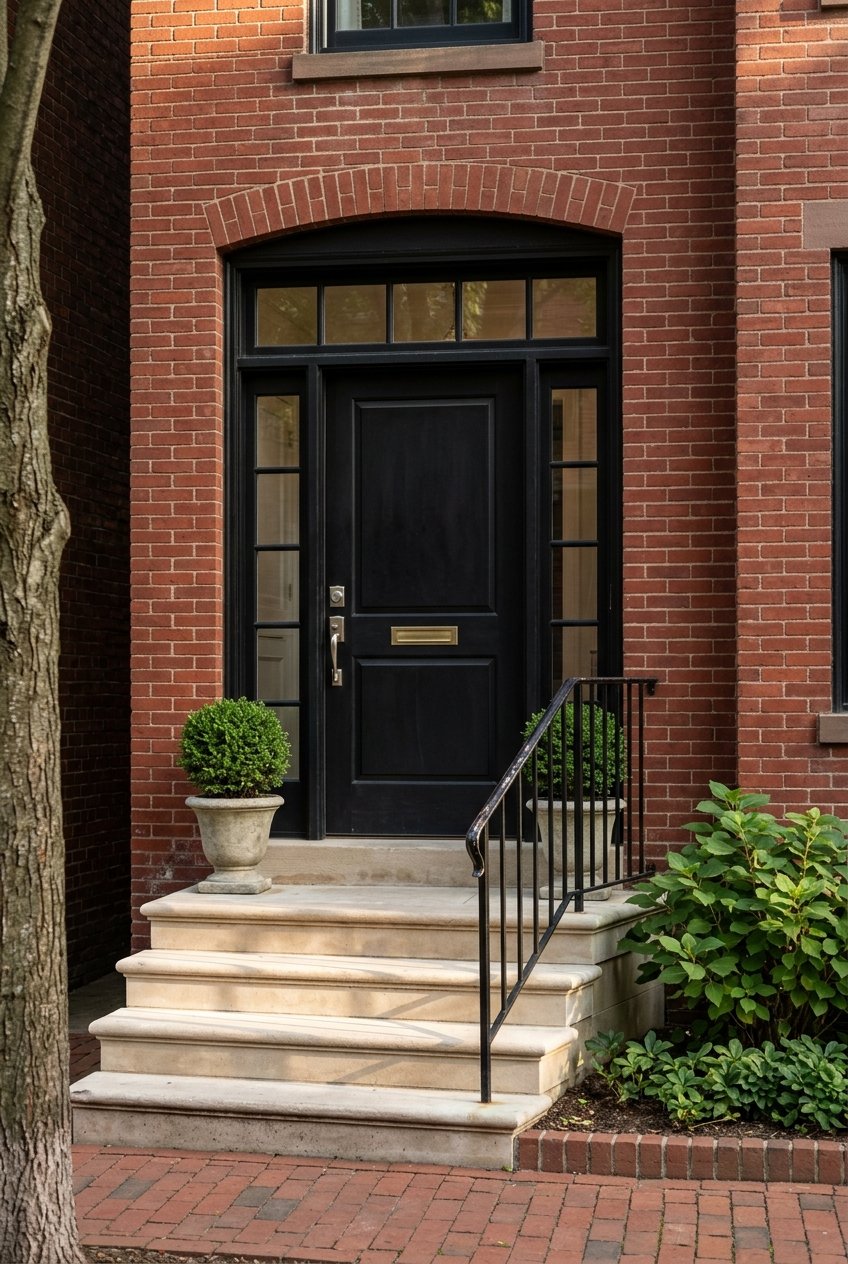
Rowhouses are the classic DC image for many buyers. They are usually narrow, attached, and vertical, often built of brick and lined up closely to create a strong, continuous street wall. Many are three stories above a basement, with a rear extension and a facade that helps define the rhythm of the block.
That attached form shapes how the home lives. Instead of a wide suburban footprint, you often get a stacked layout with living areas spread over multiple levels. If you like separation between spaces and an urban streetscape, that layout can feel both practical and charming.
Common Rowhouse Features
When you are scanning a listing or walking a block, rowhouses often stand out by a few visual clues:
- Narrow brick facades
- Front stoops
- Projecting bays
- Heavy cornices
- Porches or decorative trim
- Tall, vertical proportions
In DC, the details can vary a lot by age and style. Capitol Hill includes flat-fronted Italianate rows from the 1870s, while later homes may show Queen Anne or Romanesque Revival features like bays, towers, ornate brickwork, terra-cotta details, and stained-glass transoms.
What Rowhouse Style Means for Buyers
A rowhouse often gives you a very direct connection to the street and the neighborhood around it. It can also mean that exterior features like masonry, windows, porches, cornices, and rooflines play a bigger role in maintenance planning. In a city with many historic districts, those same details may also affect what exterior updates are straightforward and what may need review.
That does not mean older rowhouses are harder to own. It means you will want to understand the property’s historic context early, especially if you are thinking about exterior projects later on.
Pre-War Apartment Buildings in DC
Pre-war apartment buildings are another major part of Washington’s housing identity. They are not all the same, which is part of what makes them easy to misread at first. Some are larger mid-rise buildings with a single shared entrance, formal lobby, and elevator, while others are simpler low-rise buildings that feel more residential from the street.
DC also has garden apartment examples, which are typically lower-rise and set in landscaped surroundings. These buildings usually rely less on grand interior spaces and more on low-scale massing and outdoor setting.
How to Spot a Pre-War Apartment Building
A pre-war apartment building may look very different from a rowhouse block. You are more likely to notice:
- A broader building footprint
- A shared main entrance
- A formal lobby
- Elevator access in larger buildings
- Repeated window patterns across many units
- A building presence that reads as one architectural object
Some of these buildings have Classical Revival or Art Deco character, while others look more restrained. The key is that the building itself, not just the individual unit, often carries much of the architectural identity.
What This Style Means for Daily Living
If you are considering a unit in a pre-war apartment building, it helps to think beyond the floor plan alone. Common entries, hallways, lobbies, and the building exterior may matter as much as what is inside the unit. In a recognized historic context, those shared spaces can be a big part of the property’s appeal.
This style also reflects how DC grew over time. As neighborhoods expanded along streetcar routes and larger residential lots, apartment buildings appeared among rowhouses and along prominent roads and corners.
Newer Infill and Modern Additions
Not every distinctive DC home is old. Newer infill and major additions are an important part of the city’s housing story, especially in areas where modern design has been inserted into an established block. In DC, new construction guidance emphasizes compatibility with surrounding buildings without requiring exact imitation.
That is why newer homes in older neighborhoods often look contemporary but still feel tied to the street. Their setback, orientation, scale, height, roof shape, and facade rhythm are often shaped by what already exists nearby.
What Infill Looks Like in DC
A newer home or addition may stand out for its materials or cleaner design language, but it will often still align with the block in important ways. On rowhouse streets, facade alignment is especially important. A new structure typically respects the line created by neighboring facades and the overall rhythm of the street.
If you see a contemporary facade that still matches the height, setback, and roof pattern of nearby buildings, you may be looking at infill. In many cases, that balance is intentional.
Why Historic Context Still Matters
In DC, major exterior changes on historic properties can be review-sensitive. That can include additions, roof decks, new construction, curb cuts, driveways, and parking pads. Routine interior alterations are generally exempt, which is a useful distinction for buyers comparing older properties.
Georgetown is a special case because its historic district predates DC’s preservation law, so exterior work there follows different review procedures. For buyers, that is a reminder that location-specific rules can shape what is possible with a property over time.
How to Read DC Listings Faster
Once you know the three main home-style families, listing photos start to tell you more. You can often make a quick first read before you even schedule a tour.
Here is a simple way to think about it:
| What you see | What it may suggest |
|---|---|
| Narrow brick facade, stoop, bay, or cornice | Rowhouse or townhouse |
| Shared entrance, lobby, broader facade | Pre-war apartment building |
| Contemporary exterior with matching block rhythm | Newer infill or major addition |
This kind of first-pass reading helps you ask better questions. It can also help you connect style with likely layout, building systems, exterior responsibilities, and possible historic-district considerations.
Neighborhood Examples That Help
A few DC neighborhoods make these style differences easier to understand. Capitol Hill is known for intact rowhouses and later apartment development. Dupont Circle includes mansions, townhouses, and apartment buildings in late-19th- and early-20th-century styles.
Washington Heights shows another common DC pattern, with rowhouses mixed with apartment corridors. Foxhall Village is a Tudor Revival rowhouse enclave with a highly cohesive look. These examples are helpful because they show that DC neighborhoods are often defined by a mix of building types, not just one format.
What Buyers Should Verify Before They Commit
Style is only part of the picture in Washington, DC. Before you move forward on a home, it is smart to verify whether the property sits in a historic district and whether district-specific guidelines apply. That context can shape what exterior changes are realistic and what a listing photo may really be signaling.
If you are looking at an older property, it may also help to learn whether preservation-related support exists for that home. DC’s Historic Homeowner Grant Program provides targeted grants for qualifying historic landmarks and homes in historic districts, with preference for major exterior architectural features and structural repairs.
The goal is not to make the process feel complicated. It is to help you understand the relationship between architecture, location, and ownership so you can buy with more clarity.
If you are exploring homes in Washington, DC, the right guidance can help you look past surface style and focus on what fits your goals, timeline, and comfort level. The team at ONE Residential is here to help you make sense of the local housing landscape and move forward with confidence.
FAQs
What are the most common home styles in Washington, DC?
- The three styles many buyers notice most are rowhouses and townhouses, pre-war apartment buildings, and newer infill or major additions.
How can you identify a DC rowhouse from a listing photo?
- Look for a narrow brick facade, attached construction, vertical layout, front stoop, projecting bay, or decorative cornice.
What defines a pre-war apartment building in Washington, DC?
- These buildings often have a shared entrance, broader footprint, common areas like lobbies, and sometimes elevators in larger mid-rise examples.
Why do historic districts matter when buying a home in DC?
- Historic district status can affect exterior changes, additions, roof decks, curb cuts, and other visible work, so it is important to understand the property’s context early.
Are all newer homes in DC designed to look historic?
- No. DC guidance supports new construction that fits the surrounding block in scale, setback, and rhythm without copying older buildings exactly.
Which DC neighborhoods show these home styles clearly?
- Capitol Hill, Dupont Circle, Washington Heights, and Foxhall Village are useful examples of how rowhouses, apartment buildings, and cohesive historic streetscapes appear across the city.