If you are thinking about selling a rowhouse in DC, you are probably balancing two big goals at once: making your home look its best and keeping the process on track. In a market where buyers can compare homes carefully, the details matter, from pricing and prep to permits, disclosures, and closing steps. This guide walks you through what to expect so you can make smart decisions and move forward with confidence. Let’s dive in.
Understand the DC rowhouse market
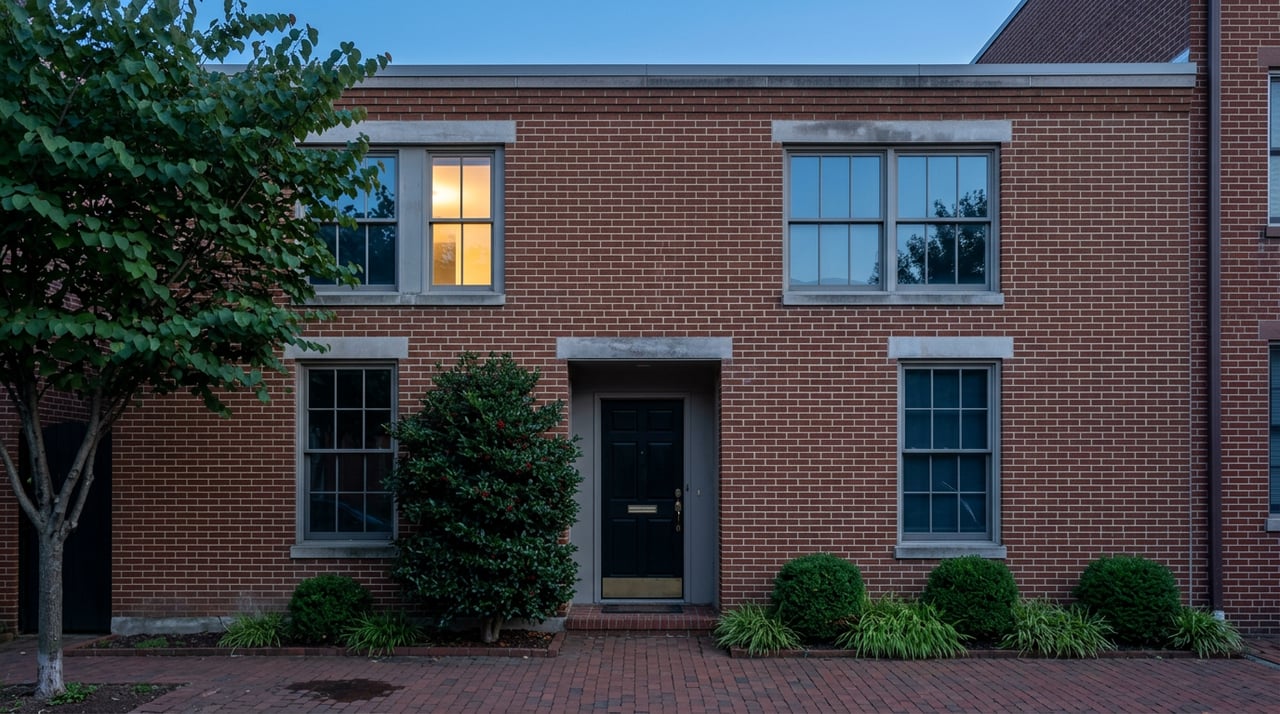
Selling a rowhouse in Washington, DC is not quite the same as selling a newer home in a suburban neighborhood. Many rowhouses have historic character, compact floor plans, outdoor features like stoops or rear patios, and older systems that buyers will notice quickly.
The broader DC market remained active in May 2026, with a median sold price of $740,000, average days on market of 41, and new listings down 12.9% year over year, according to GCAAR. That combination suggests opportunity for sellers, but it also means buyers are weighing value, condition, and presentation closely.
Start with a smart pre-list plan
A strong sale usually starts before your home ever hits the market. For a DC rowhouse, that means looking at condition, appearance, paperwork, and timing together instead of treating them as separate tasks.
At this stage, your goal is simple: remove avoidable friction. The easier it is for buyers to understand your home, picture themselves in it, and feel comfortable making an offer, the better positioned you are.
Focus on repairs that matter
Not every project will pay off, and not every cosmetic update is worth the stress. Before spending money, take a hard look at visible wear, deferred maintenance, and small issues that could raise bigger questions during showings or inspections.
For many rowhouses, practical fixes can have a strong impact. Think touched-up paint, working light fixtures, repaired hardware, clean grout, secure railings, and doors or windows that operate properly.
Consider staging with purpose
Staging can help buyers connect with a home faster, especially online. NAR's 2025 staging survey found that 49% of sellers' agents saw shorter time on market when homes were staged, 29% saw a 1% to 10% increase in the dollar offered, and 83% of buyers' agents said staging helped buyers visualize the property.
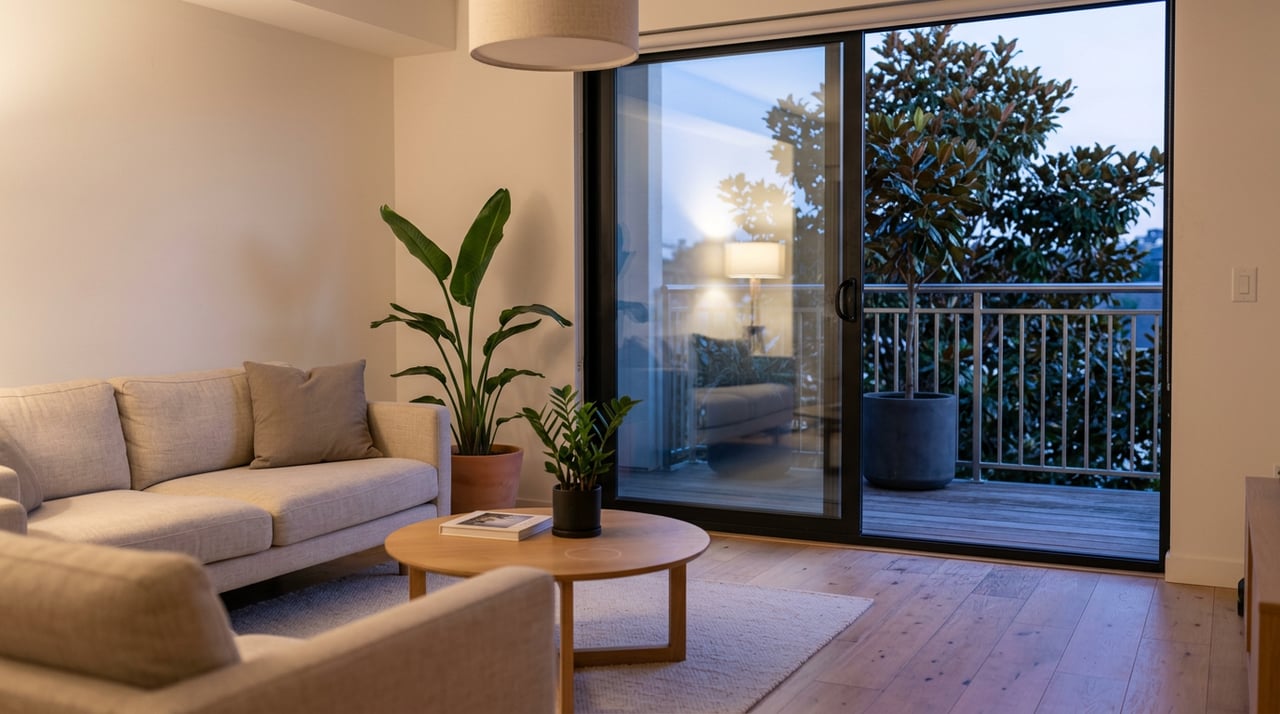
For a DC rowhouse, staging does not need to feel overdone. The biggest wins often come from decluttering, improving light, simplifying furniture layouts, and highlighting the rooms and outdoor spaces that photograph best.
Check permits before exterior work
This step is easy to overlook, but it matters in DC. The District has 70 historic districts and more than 27,000 protected properties, so exterior changes can be more sensitive than they would be in newer housing areas.
Most building and site construction work requires a permit, and historic properties may also need preservation review when permit-required work affects the exterior appearance. Some items, such as ordinary paint, screens, storm windows, security bars, and certain minor repairs, are exempt from preservation review, but window replacement, decks, fences, garages, sheds, and awnings generally require permits.
If you are considering pre-list improvements, check this early. It can save you time, protect your timeline, and help you avoid doing work that creates closing issues later.
Get disclosures ready early
DC has specific seller disclosure requirements, and timing matters. A signed real property disclosure statement must be delivered before or at the purchase agreement. If it is delivered later, the buyer may terminate within 5 calendar days and deposits must be returned.
The disclosure covers known defects or information about systems and features such as water and sewer, structural components, insulation, plumbing, electrical, heating and air conditioning, pests, appliances, alarm and intercom systems, garage door openers, and fixtures. Getting organized early can make this step far less stressful once offers start coming in.
Pay close attention to lead-related items
Older DC rowhouses often require extra diligence around lead-related disclosures. For most housing built before 1978, federal law requires lead-based paint disclosure.
DC's disclosure requirements also ask sellers to report known lead water test results, lead-bearing plumbing, and whether the lead service line has been replaced. DC Water notes that older properties may not have had pipe material recorded when built, so checking service-line information early can help you prepare complete information for buyers.
Prepare for photos and online marketing
Most buyers start their search online, so your listing needs to make a strong first impression. High-resolution photos and video are especially important because buyers often decide which homes to see in person based on what they see on a screen first.
For rowhouses, the headline features are often clear. Your front stoop, facade, entry sequence, natural light, main living spaces, and any usable outdoor area should be treated as selling points, not afterthoughts.
Make the home photo-ready
Before photography, focus on clean lines and visual breathing room. Open blinds, clean thoroughly, remove clutter, and reduce furniture where needed so spaces feel brighter and more functional.
A few simple finishing touches can help, like fresh towels, a plant, or a cleared countertop. In narrower rowhouses, this can make rooms read larger and improve how one space flows into the next.
Protect privacy during showings
Preparing for photos and tours is not just about appearance. It is also a good time to remove personal and sensitive items from view.
Store away family photos, calendars, mail, passwords, documents, valuables, firearms, and medications before showings. This helps protect your privacy while keeping the home calm and uncluttered for buyers.
Price and launch strategically
Pricing is one of the most important decisions you will make. Even in an active market, buyers compare condition, layout, location, and updates carefully, especially when looking at rowhouses with different levels of renovation or historic detail.
A thoughtful launch strategy matters too. Marketing a home can include staging, professional photography, social media, signage, open houses, and competitive pricing, with MLS exposure typically offering the broadest reach.
Time the first open house well
Open houses are not just a routine box to check. They are part of the early momentum of your listing and can help create a concentrated burst of attention.
NAR notes that holding the first open house the weekend after the property goes live can help maximize exposure, while still taking local timing and competing events into account. When done well, that first weekend can help buyers feel urgency and give you quick market feedback.
Review offers with the full picture in mind
The best offer is not always the highest number. Price matters, but so do timing, contingencies, repair expectations, financing strength, and how likely the buyer is to make it to closing.
For DC rowhouse sellers, inspections are often part of that equation. Some buyers may waive or narrow inspection contingencies to stay competitive, but many will still want the option to evaluate the property more closely.
Think ahead about inspections
A pre-list inspection can help you learn about issues before you go to market. That can be especially useful in older homes where buyers may be sensitive to deferred maintenance or older systems.
Buyers' inspectors commonly review the structure, roof, plumbing, electrical, HVAC, interiors, ventilation, insulation, and fireplaces. They may also test for mold, radon, lead paint, and asbestos.
Negotiate repairs clearly
If issues come up, the next step is clarity. Buyers may ask for repairs, credits, or concessions, and written terms should spell out exactly what each side has agreed to.
Concessions can cover costs such as title search, loan origination, inspections, taxes, repairs, and similar expenses when written clearly into the agreement. If your home is listed as as-is, that means you are not making repair promises, but it does not remove your disclosure obligations.
Know the DC closing steps
Once you are under contract, the final stretch becomes very detail-driven. In DC, settlement often includes tax, utility, deed, and recording items that sellers should understand in advance.
The Office of Tax and Revenue says the tax certificate shows current property taxes and unpaid DC Water and sewer charges, Clean City liabilities, BID taxes, vault rents, and special assessment charges. The certificate costs $15 per lot and is usually issued within 10 business days.
Understand transfer and recordation taxes
DC charges deed transfer and recordation tax at 1.1% for amounts under $400,000 and 1.45% for amounts at or above $400,000. OTR also states that a completed FP7/C is required for deeds and certain related filings.
These are not small details, and they can affect your final numbers and timing. Reviewing likely closing costs early can help you plan your net proceeds more accurately.
Avoid recording delays
Recording requirements matter at the very end of the transaction. The Recorder of Deeds requires a full legal description, notarized signatures, and a return address.
Timing matters too. If a deed is recorded more than 30 days after it is signed and notarized, OTR applies a $250 late fee. This is one reason many sellers work closely with a title company or attorney to keep the file moving cleanly toward closing.
Why a process-driven approach matters
Selling a DC rowhouse is part presentation, part paperwork, and part problem-solving. You may be juggling historic property questions, lead-related disclosures, inspection strategy, pricing decisions, and a closing timeline that leaves little room for missed steps.
That is why an organized plan can make such a difference. With thoughtful staging, strong marketing, careful negotiation, and steady transaction coordination, you can protect your time, reduce surprises, and put your home in the best position to sell well.
If you are preparing to sell a rowhouse in Washington, DC, ONE Residential offers the staging support, marketing strategy, negotiation guidance, and transaction coordination to help you move from prep to closing with confidence.
FAQs
What should you fix before selling a rowhouse in DC?
- Focus first on visible maintenance issues, small functional repairs, cleanliness, lighting, and anything likely to raise concerns during showings or inspections.
Do DC rowhouses need permits for exterior updates before listing?
- Many exterior projects do require permits in DC, and properties in historic districts may also need preservation review when permit-required work affects exterior appearance.
What disclosures do sellers need for a rowhouse in Washington, DC?
- DC sellers must provide a signed real property disclosure statement before or at the purchase agreement, covering known defects or information about major systems, fixtures, and certain property conditions.
What lead information should sellers provide for older DC rowhouses?
- For most homes built before 1978, lead-based paint disclosure is required, and DC sellers must also report known lead water test results, lead-bearing plumbing, and whether the lead service line has been replaced.
How important is staging when selling a rowhouse in DC?
- Staging can be very helpful because it may improve buyer visualization, support stronger online presentation, and help your home feel brighter, larger, and more functional.
What happens at closing when selling a home in DC?
- Closing can include tax certificate review, deed transfer and recordation taxes, required filing forms, notarized deed documents, and recording steps that must be completed on time.