Thinking about listing your Northern Virginia home this season? In a market where buyers compare homes across Arlington, Alexandria, Fairfax, Loudoun, and beyond, presentation can set your price ceiling and speed. You want simple, proven steps that maximize appeal without wasting time or money. This room-by-room plan shows you exactly what to do, when to do it, and how to measure results so you feel confident on day one. Let’s dive in.
Why staging matters in Northern Virginia
NOVA is diverse, and buyer expectations shift by price point and neighborhood. Across move-up and luxury segments, buyers focus on kitchen function and finishes, a restful primary suite, usable outdoor space, and practical flex rooms for hybrid work. Curb appeal and a clean entry sequence are also key because many buyers drive several listings before booking a showing.
Staging supports these priorities by clarifying scale, flow, and lifestyle. The result often includes faster market times by several days to a couple of weeks and stronger offer activity. Impact varies by price point and inventory levels, but well-presented listings consistently see better online engagement and more qualified showings.
Room-by-room NOVA staging plan
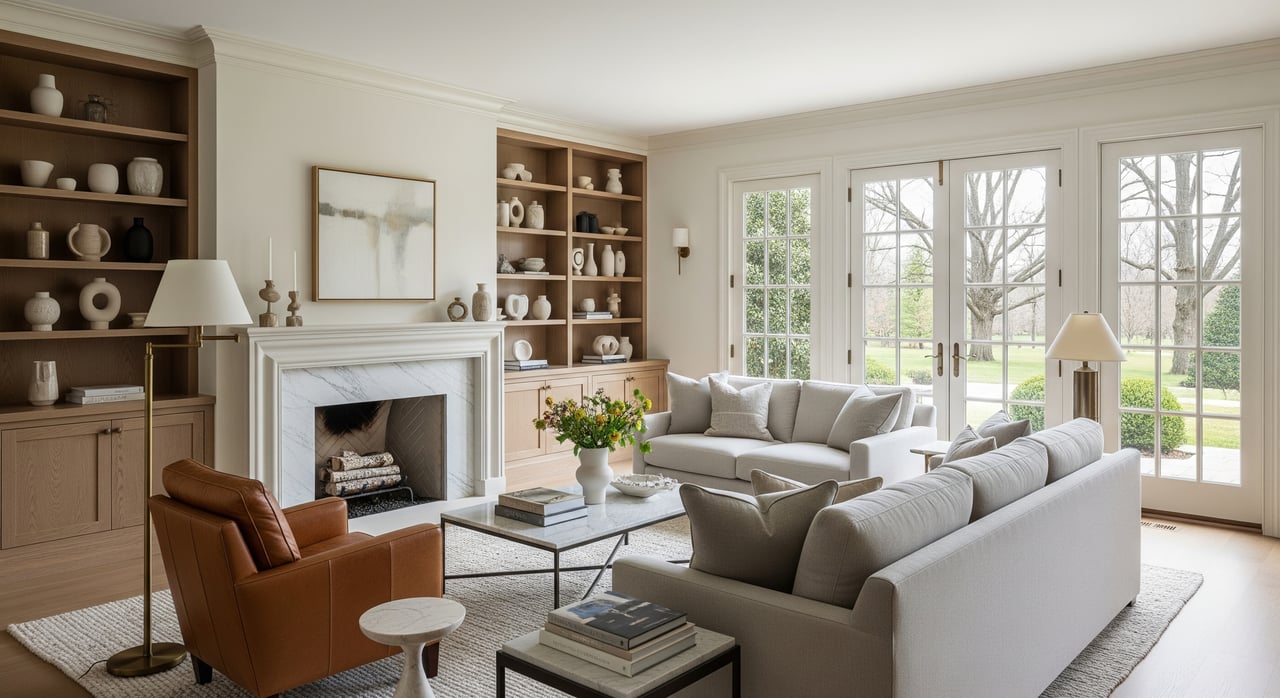
Living room or great room
- Goals: Conversational flow, entertainment-ready layout, and a clear focal point.
- Arrange seating around an anchor like a fireplace, view, or built-ins. Float furniture to show pathways rather than pushing pieces to the walls.
- Hide cords and reduce electronics clutter. Balance any oversized TV with art or shelving so lifestyle, not screens, lead the story.
- Add a scaled rug, neutral pillows, and a throw to warm the space without visual noise.
Kitchen
- Goals: Space, storage, cleanliness, and modern touches.
- Clear counters completely, then add only one or two curated items such as a fruit bowl or a cookbook.
- Refresh what buyers touch and see: polish or replace hardware, swap dated light fixtures, and ensure faucets and sinks sparkle.
- If budget allows, small updates like cabinet paint and new pulls can stand in for big renovations. For luxury kitchens, set a simple tablescape and add fresh flowers to imply effortless entertaining.
Primary bedroom and en-suite
- Goals: Calm, spacious retreat with organized storage.
- Use a full-size bed with quality neutral bedding and two balanced nightstands. Remove extra furniture to enlarge perceived space.
- Edit closets to about half full and use matching hangers. Order signals capacity.
- In the bath, refresh grout and caulk, update fixtures and lighting if dated, and add plush neutral towels and a clean bath mat.
Secondary bedrooms and flex rooms
- Goals: Versatility that fits different buyer needs.
- Stage at least one room as a home office where remote or hybrid work is common. Add a compact desk, task lighting, and simple decor.
- Keep kids’ rooms bright and minimal. Store toys and remove heavy themes so buyers can picture their own use.
Dedicated home office or work zone
- Goals: A functional, inviting workspace.
- Add an ergonomic chair, cable management, and a plant to soften the look. Keep wall art neutral and professional.
- Good task lighting helps photos and in-person impressions.
Bathrooms
- Goals: Freshness and care.
- Deep clean, re-caulk, and de-scale shower glass. Replace worn towels with new, neutral sets and remove personal items from counters.
- In many NOVA price points, new mirrors, fixtures, and light bars provide strong ROI without full remodels.
Outdoor spaces
- Goals: Everyday living and low maintenance.
- Power wash, mow, edge, and remove debris. Add potted plants for color.
- Scale furniture to the space. A small deck shines with a bistro set, while larger patios benefit from a dining zone or lounge arrangement.
- For luxury properties, style with durable outdoor textiles and simple lanterns for twilight photos.
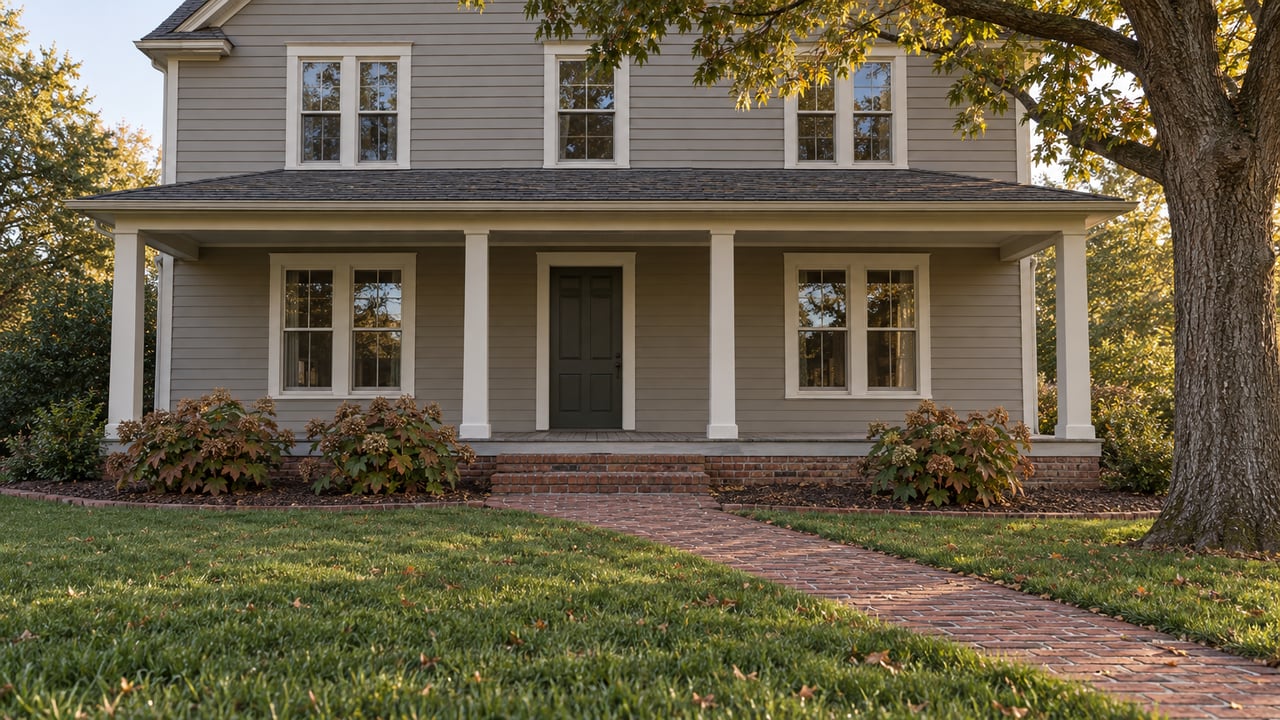
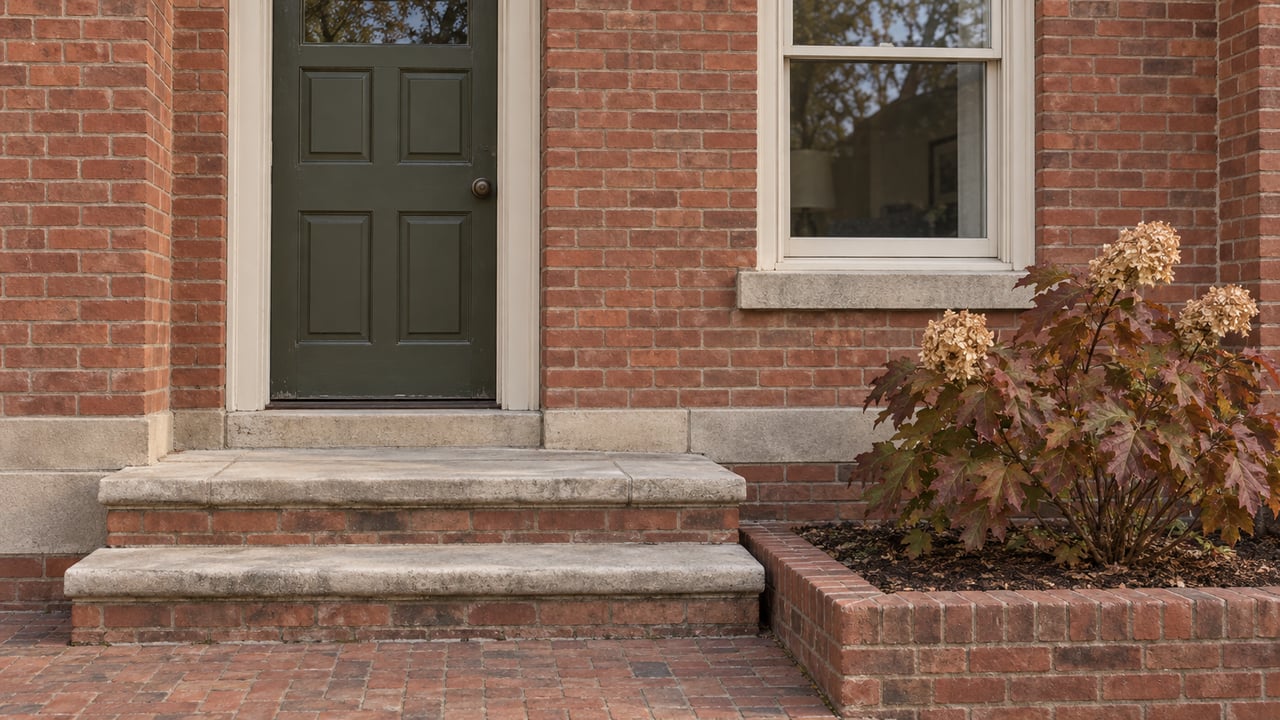
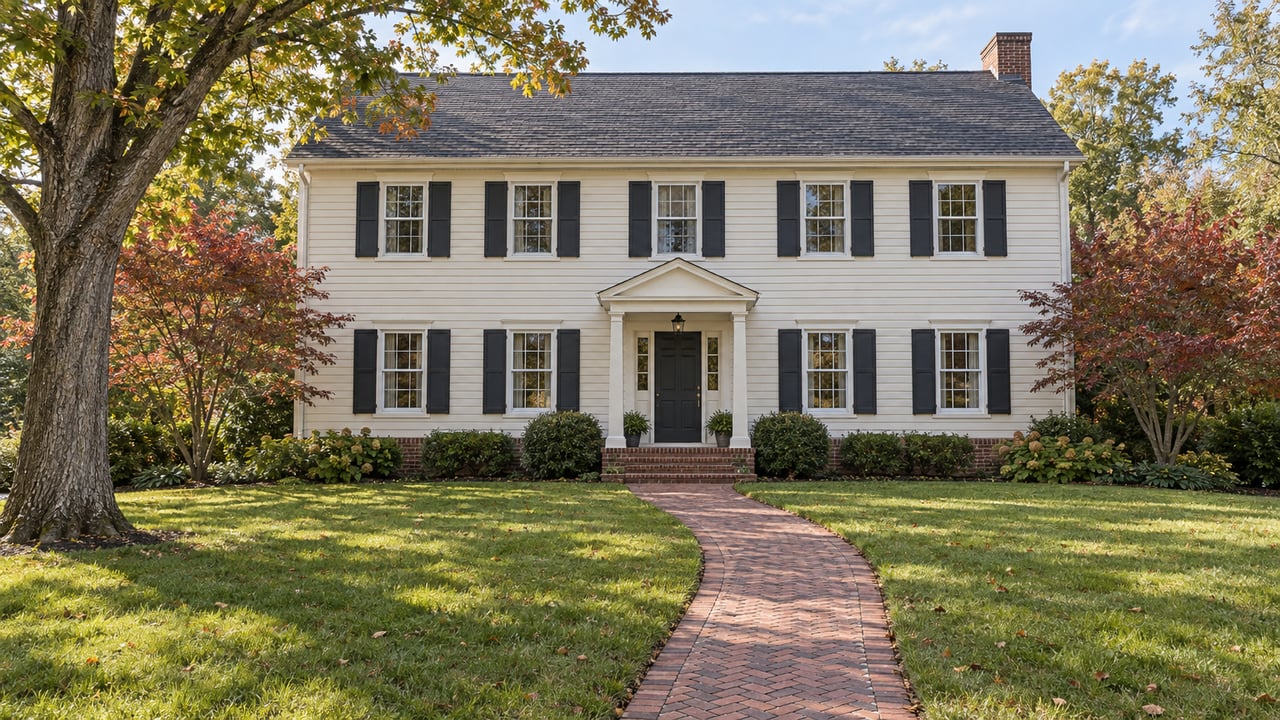
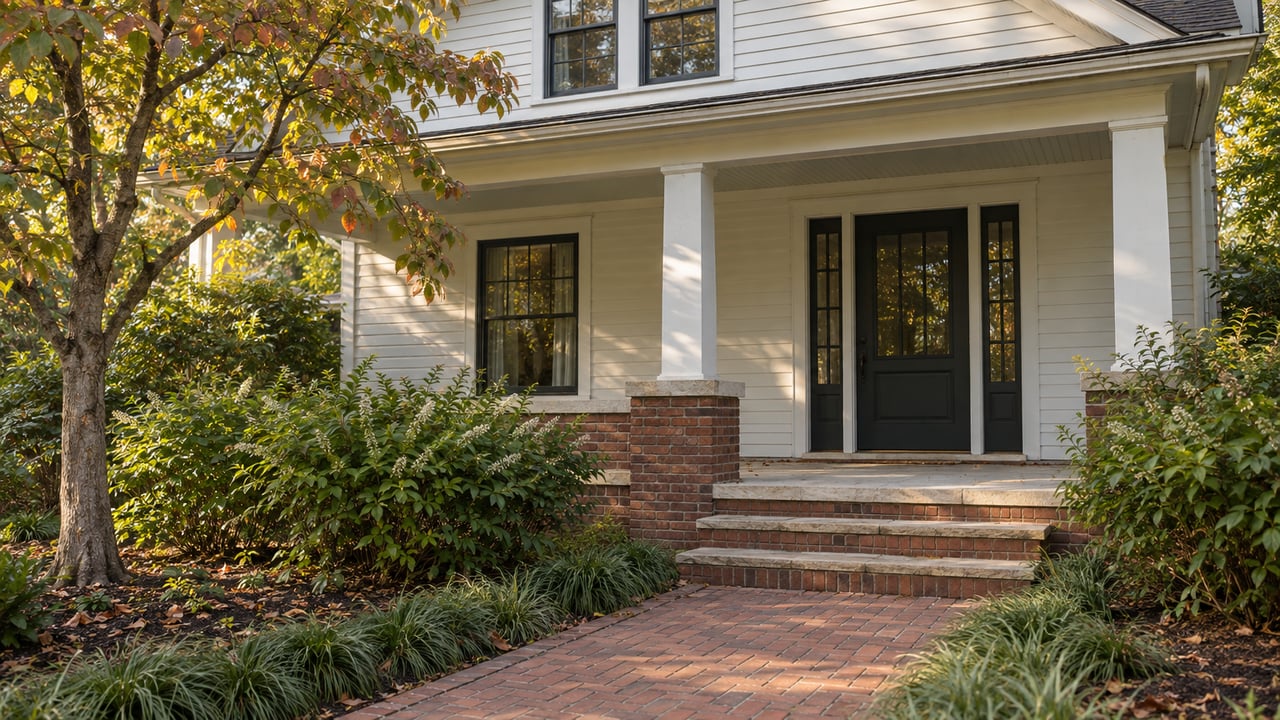
Curb appeal and entry sequence
- Goals: A yes at the curb and a smooth welcome.
- Repaint or replace the front door, update house numbers and hardware, and ensure lighting is bright and warm.
- Keep the entry tidy with a single bench or console and minimal seasonal decor. Buyers often decide within seconds of crossing the threshold.
Implementation timeline and cost
A clear plan keeps stress low and results high. Here is a realistic flow for NOVA sellers:
- Consultation and walkthrough: 1 to 3 days for needs assessment, buyer profile, and a prioritized list.
- Declutter, light repairs, and deep cleaning: 3 to 14 days depending on scope and vendor availability.
- Staging installation: 1 to 3 days. Vacant homes with full furniture rental take longer; accessory staging in occupied homes is faster.
- Photography and listing activation: 24 to 72 hours after staging install for professional photos, floor plans, and virtual tours.
- Post-listing tweaks: Use early feedback to adjust styling as needed.
Typical cost ranges vary by submarket, home size, and level of finish:
- Consultation: Free to low cost, often 150 to 500 dollars.
- Accessory staging for occupied homes: About 200 to 1,500 dollars for styling and targeted rentals.
- Full staging for vacant homes: From a few hundred to several thousand dollars per month, with luxury properties requiring higher-end inventory.
- Small cosmetic updates like paint and fixtures are often more cost-effective than large renovations when timed for sale.
How to measure results
Track these metrics to understand staging impact:
- Days on market compared to similar unstaged or pre-staging listings.
- Showings and open house traffic in the first two weeks.
- Number of offers and final price relative to list.
- Online engagement: views, saves, and photo click-through rate.
- Qualitative feedback from agents and buyers.
Many sellers see faster sales and stronger offers when staging aligns with price and demand. In tight inventory periods, staging still helps set expectations and improve buyer confidence.
Staging coordination that saves time
A coordinated approach reduces friction and keeps your timeline tight. A dedicated staging coordinator typically:
- Profiles the likely buyer and recommends the right level of staging.
- Defines scope room by room, prioritizing high-impact updates over major renovations.
- Manages vendors for furniture rental, movers, cleaners, painters, landscaping, and photography.
- Oversees installation, styling, and de-staging, while tracking the budget and schedule.
With a team-based model and staging credentials, you get fast scheduling, consistent standards, and polished marketing without juggling vendors on your own.
Seasonal and neighborhood tips for NOVA
- Spring and fall: Lean into outdoor living. Fresh planters, clean decking, and staged patios deliver outsized returns.
- Winter: Focus on warm lighting, textured throws, and a tidy mudroom or coat zone that feels practical and welcoming.
- Transit-oriented or urban areas: Emphasize low-maintenance living with streamlined interiors and clear storage solutions. Highlight flexible rooms and light.
Ready to list with confidence?
If you want your Northern Virginia home to stand out, a targeted staging plan is your best first step. Our team makes it simple with buyer profiling, scoped updates, coordinated vendors, and polished listing media. Let’s build a plan that fits your timeline and goals.
Connect with ONE Residential to get your custom staging roadmap and launch date.
FAQs
Which rooms should I stage first in NOVA?
- Prioritize the kitchen, primary suite, living or great room, and the entry. Address curb appeal if the exterior needs attention.
Is staging worth it in a hot Northern Virginia market?
- Yes. Even with strong demand, staging can reduce days on market, improve online engagement, and help you reach the price ceiling with better offers.
How long does staging stay in place during a sale?
- Furniture rentals are typically monthly. Coordinate de-staging with contract ratification and stay flexible for any back-up showings.
Can I stage while living in my home?
- Absolutely. Accessory staging, decluttering, and light updates are common and effective. You may move some personal items to storage.
Are small updates like paint and hardware worth it?
- Often yes. Fresh paint, new fixtures, and better lighting can deliver a strong return without the cost or delay of major renovations.
What about virtual staging for vacant spaces?
- Virtual staging can supplement professional photos at a lower cost. Be sure to disclose virtual enhancements according to MLS rules.